
Our Story
Kesher Shalom Projects began after October 7th with a simple request in a WhatsApp group from Jewish therapists struggling with the weight of what they were seeing in their clients, their communities, and themselves. We organized a Zoom training to meet that need. None of us imagined what would grow from that conversation.
What began as a response to a moment of crisis quickly revealed a larger gap: professionals needed a deeper understanding of Jewish identity, the psychological impact of antisemitism, and how to support people living through ongoing threat and trauma.
Since then, Kesher Shalom has grown into a broader educational initiative providing trauma-informed training and practical psychological frameworks for professionals, organizations, families, and communities. Our work has expanded from trauma and resilience to Jewish cultural competency, indoctrination and radicalization, critical thinking, and navigating rupture across relationships and communities.

THE LEADERSHIP

Malka Shaw, LCSW,
Founder and Director
Malka Shaw, LCSW, is a psychotherapist, trauma specialist, educator, and speaker with more than 25 years of experience in the mental health field. She is the founder and director of Kesher Shalom Projects, where her work focuses on Jewish identity, antisemitism, trauma and resilience, cultural competency, and the psychology of propaganda, indoctrination, and radicalization.
Drawing on decades of clinical trauma work and a strong background in Jewish education, Malka translates complex psychological concepts into practical frameworks for professionals, organizations, families, and communities. She is the creator of Kesher Shalom’s GUARD, BRIDGE, and ORAH frameworks and provides professional training, consultation, continuing education, and keynote presentations nationally and internationally.
A particular focus of Malka’s work is how antisemitism, ongoing threat, and narrative distortion affect identity, psychological safety, and belonging. She has presented on these topics at professional and international conferences and has developed and facilitated continuing education courses for mental health professionals. Her work explores the mechanisms that shape resilience, critical thinking, and identity under pressure and translates them into practical tools for clinical, educational, and organizational settings. She is a contributing author to the forthcoming Springer Nature Handbook of Psychology of Jewish Identity, Trauma, and Resilience.

Robyn Sheiniuk, LCSW
Robyn Sheiniuk, LCSW has been in practice for over 25 years. Her career has been focused on working with people dealing with trauma, from children and families in foster care and residential settings to Veterans to executives struggling with childhood trauma that is still getting in their way. In addition to trauma, Robyn specializes in working with grief and loss and women dealing with cancer, especially gynecological cancers, and caregivers/loved ones of those patients. Robyn has worked in urban inner cities as well as in private practice.
She also conducts evaluations for immigration and the Public Defender’s office. She has trained other clinicians as a supervisor and Clinical Director of several programs throughout her career. Her training includes a Master’s in Social Work from the University of Southern California and a certificate in Psychoanalytic Psychotherapy from LAIPS. She has been trained in multiple trauma treatments, including TF-CBT, and is a Certified EMDR therapist. She is currently in private practice in CA and FL.

Lisa Mustard, LMFT
Lisa Mustard, Licensed Marriage and Family Therapist and Life Coach, Host of The Therapy Show with Lisa Mustard. Lisa has over 15 years in the field. She specializes in helping women, 35 plus, who desire more meaningful work, happier relationships, or optimal and vibrant health transform their lives.

Julie Riga, MBA
Julie Riga is a certified ICF coach, trainer, speaker, and author with over 20 years of experience in the Pharma Industry. Julie’s education is vast with studies that include business, communications, training, and executive coaching.
She specializes in the fields of leadership, team dynamics, and organizational development. She has deep expertise working with matrix organizations in highly regulated industries.
Julie is valued for authentic connections with people and orchestrating diverse resources into coherent, high-functioning teams that consistently deliver breakthrough results on time and under budget. She is an enthusiastic lifelong learner and Novartis TEDx Speaker.
Other areas of expertise include executive development, strategy, and stakeholder management. Julie’s diversified leadership background provides deep experience and insights into building critical stakeholder relationships, team culture, and communication.
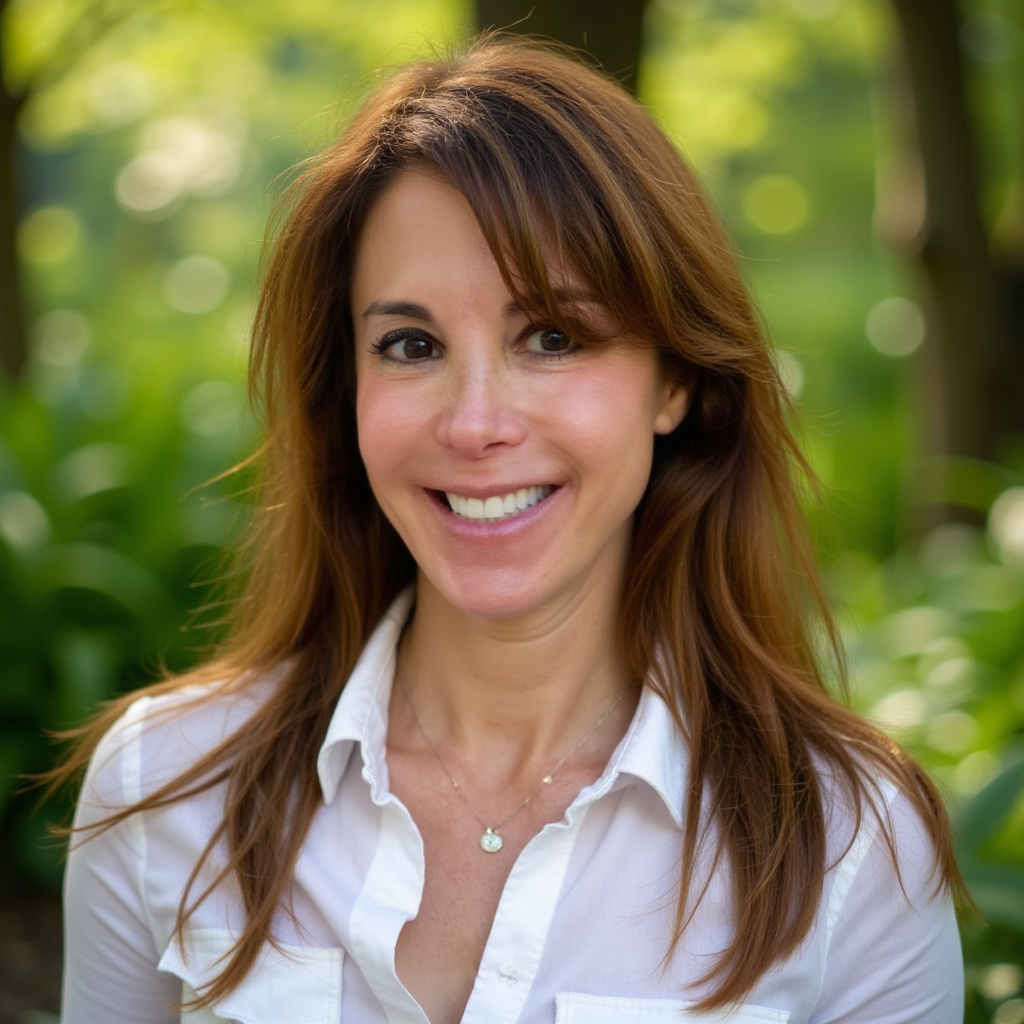
Jodi Taub, LCSW
Program Director
Jodi Taub, LCSW, PLLC, is a New York–based psychotherapist, author, speaker, and educator with nearly three decades of clinical experience. She serves as Program Director for Kesher Shalom Projects, where her work focuses on Jewish mental health, antisemitism, trauma, identity, resilience, and culturally responsive clinical care.
Jodi is a lead author of a chapter in the forthcoming Springer clinical volume, Jewish Trauma and Resilience and a committee member of the Jewish Social Work Consortium. She has collaborated with the Association of Jewish Psychologists and the National Association of Social Workers’ Jewish Special Interest Group on professional education addressing Jewish mental health and cultural competency.
A particular focus of Jodi’s work is the psychological and relational impact of antisemitism, including experiences of betrayal, invalidation, relational rupture, and the loss of trust, belonging, and emotional safety. Through her clinical, scholarly, and educational work, she explores the impact of collective trauma and provides frameworks for resilience, connection, and relational repair.